10+ Essential Ecommerce Website Features for Your Business
Published on
What are ecommerce website features needed for your site? The rapid advancement of digital technology has fundamentally changed how people shop. Today’s consumers turn to the internet to research products, making it essential for businesses to adapt their marketing strategies by leveraging ecommerce websites.
To reach a broader customer base, an ecommerce website must be equipped with functional features. These include a product catalog, a shopping cart, payment gateway integration, and other capabilities.
This article will provide a comprehensive overview of the essential ecommerce website features, from the mandatory basics to optional enhancements that ensure your site operates smoothly. Let’s dive in.
Table of Contents
What is an Ecommerce Website?
An ecommerce website is a platform used for buying and selling goods and services online. Unlike a standard website, an ecommerce site typically includes features like a product catalog, a shopping cart, and various payment methods.
With an ecommerce website accessible on both desktop and mobile devices, business owners can perform a wide range of tasks. This includes managing sales, tracking inventory, and organizing customer data all within a single system. Beyond transactions, an ecommerce site is also a powerful tool for branding and marketing.
Essential Ecommerce Website Features
A successful ecommerce website requires a set of core features that are indispensable from day one. These essential features support a seamless shopping experience for customers from start to finish.
When these features function correctly, your ecommerce site can provide a convenient and satisfying shopping journey. Here are the must-have features for any ecommerce website:
1. Product Catalog

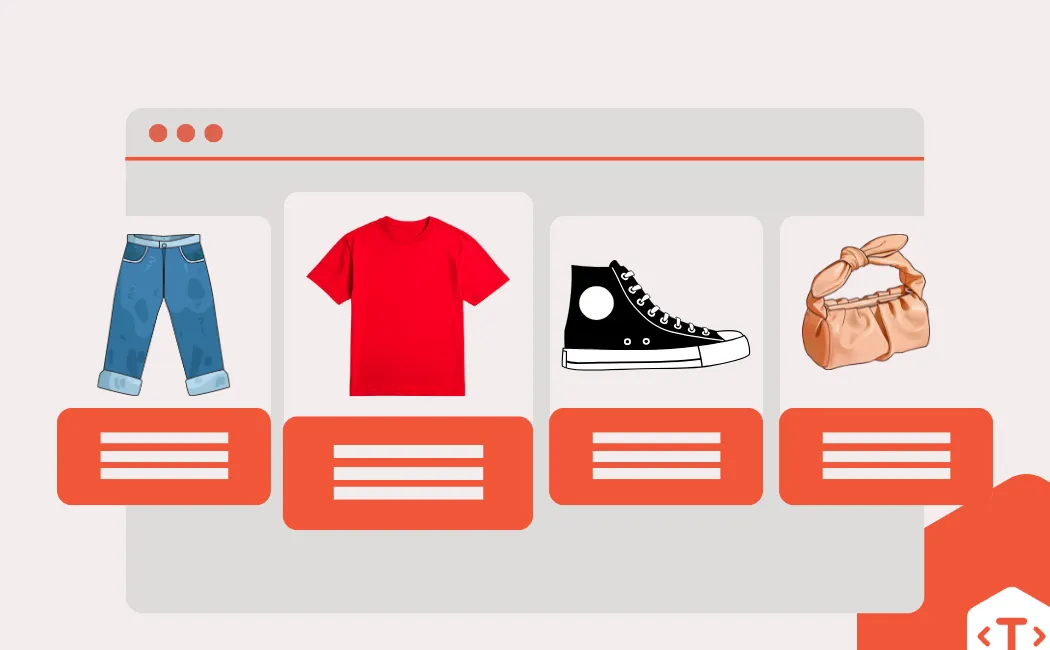
Example of a product catalog feature on an ecommerce website
The first mandatory feature for any ecommerce website is the product catalog. This catalog typically displays a list of products complete with names, photos, prices, and categories. It should also include filtering and sorting functions to help visitors easily find what they are looking for.
Furthermore, the product catalog is organized with categories and subcategories to assist visitors in browsing different product types more efficiently. Managing these categories, prices, and product displays is done through an admin dashboard. A well-organized product catalog encourages customers to make a purchase decision.
2. Product Detail Pages
Product detail pages provide potential buyers with comprehensive and clear information. These pages showcase detailed product descriptions, specifications, photos from multiple angles, and variations like size or color.
This feature allows potential customers to check stock availability before adding an item to their cart. It helps them understand the product’s benefits, usage, and advantages. Informative product details reduce repetitive customer inquiries and can lower the potential for complaints after a purchase.
3. Shopping Cart
The shopping cart feature serves as a temporary holding place for customers’ selected products. With a shopping cart, visitors can add items to their cart before proceeding to checkout.
The cart typically displays a summary of the total price of the items to be paid. If customers feel they have too many items, they can easily change the quantity or remove products from the cart.
As a business owner, you can optimize the cart’s design to encourage customers to complete their orders promptly. A simple and clear shopping cart feature reduces cart abandonment rates.
4. Simple and Clear Checkout System
The checkout process is the decisive stage for a successful transaction on an ecommerce website. The checkout page generally contains the buyer’s information, shipping address, and a choice of delivery methods.
From the checkout page, customers can review their order summary before confirming the purchase. An overly complicated checkout system can cause customers to abandon the website without completing their transaction. Therefore, ecommerce site owners must ensure a short, secure, and user-friendly checkout flow.
5. Payment Gateway Integration

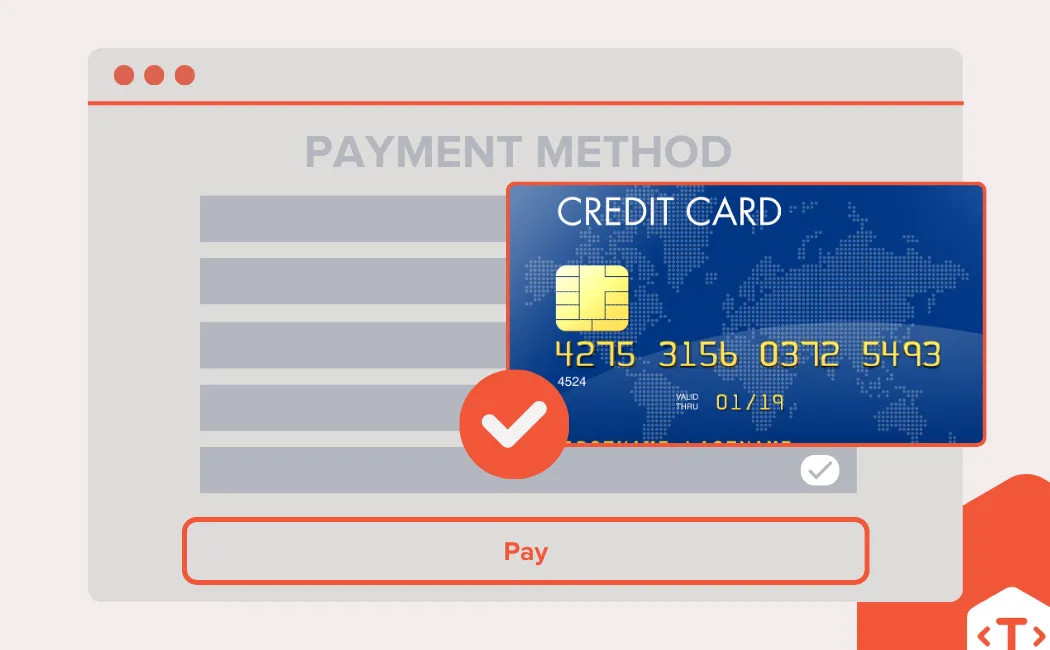
Payment gateway integration simplifies the payment flow on an ecommerce website
Payment gateway integration is a mandatory feature in modern ecommerce. A payment gateway allows customers to pay using popular methods such as virtual accounts, credit cards, e-wallets, and QRIS.
The payment gateway system automatically sends a payment confirmation to the website after a successful transaction. Business owners can monitor payment statuses through the online store’s admin dashboard.
To protect sensitive information during transactions, the ecommerce website must use an SSL certificate, while the payment gateway itself is typically equipped with its own encryption and security standards. Reliable payment gateway integration enhances customer trust in the professionalism of the online store.
6. Order Management
The order management feature helps business owners manage the entire transaction process from start to finish. All orders can be monitored through an admin dashboard that displays a list of orders with clear statuses, such as “awaiting payment,” “processing,” “shipped,” or “completed.”
Store managers can update order statuses and send automated notifications to customers. This system enables the operational team to efficiently monitor a large volume of orders.
Customers also feel more at ease as they can track their order’s progress through their accounts. Neat and efficient order management increases long-term customer satisfaction and loyalty.
7. Product and Inventory Management
Product and inventory management is a critical aspect of ecommerce operations. Business owners can add, edit, and delete products through the admin panel periodically.
An automated inventory system reduces stock levels in real-time as sales occur. Furthermore, the system can send alerts when stock is low, allowing for timely restocking. This feature helps business owners avoid selling products that are already out of stock.
8. Shipping
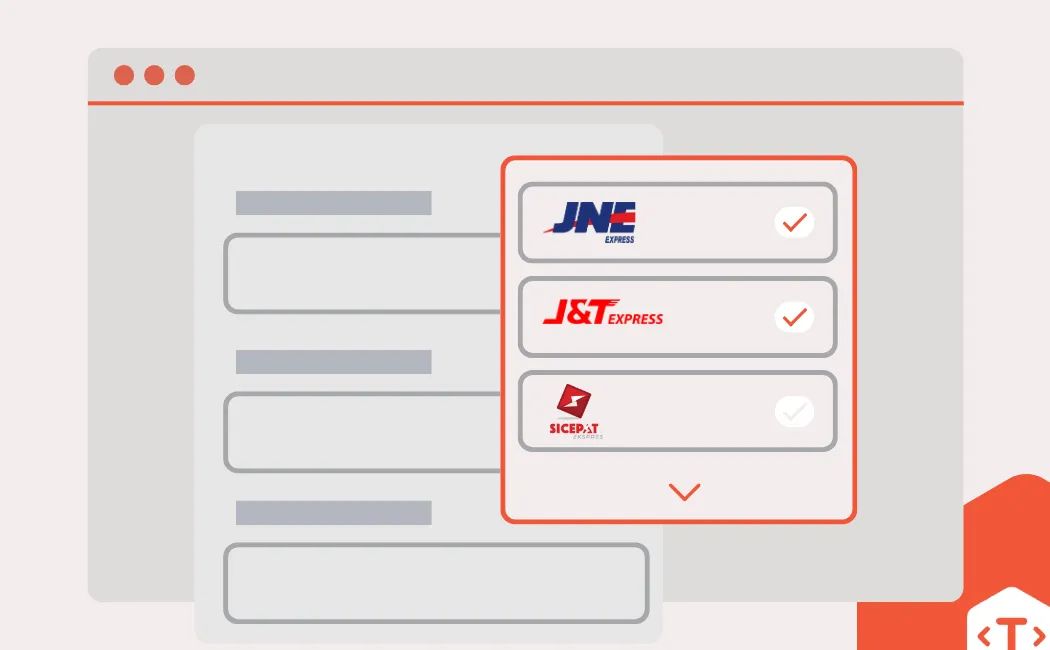
Multiple shipping options allow customers to choose a method that suits their preferences.
The shipping feature plays a vital role in completing the transaction process. It is highly beneficial if an ecommerce website can offer a variety of couriers and delivery services with different rates.
The shipping feature can be integrated with an automatic shipping cost calculator. This allows customers to see the delivery cost instantly based on their location. From the business owner’s side, tracking numbers and shipping statuses can be communicated to customers more quickly, allowing them to monitor their package’s journey to its destination.
9. Customer Accounts
The customer account feature makes it easy for users to manage their shopping activities on the ecommerce site. Customers can create an account, save their address information, and conveniently view their order history.
By having an account, users can place repeat orders without the hassle of re-entering the same data. This feature also allows business owners to implement customer loyalty programs by creating a membership system. A well-designed customer account system strengthens the long-term relationship between the brand and its consumers.
10. Website Security and Performance
A professional ecommerce website must take security and performance seriously. For instance, using an SSL certificate is highly recommended to protect user data during transactions.
Basic security systems, such as protection against brute-force attacks and spam, help maintain the website’s long-term stability. For advanced security, website managers need to perform regular monitoring and periodic data backups. Meanwhile, optimizing page loading speed enhances the user experience and supports SEO efforts on search engines.
Additional Features to Enhance Your Ecommerce Website
Besides the mandatory features, an ecommerce website can utilize additional features to improve the quality of service for its customers. Here are some extra features to make your ecommerce site even better:
1. Wishlist
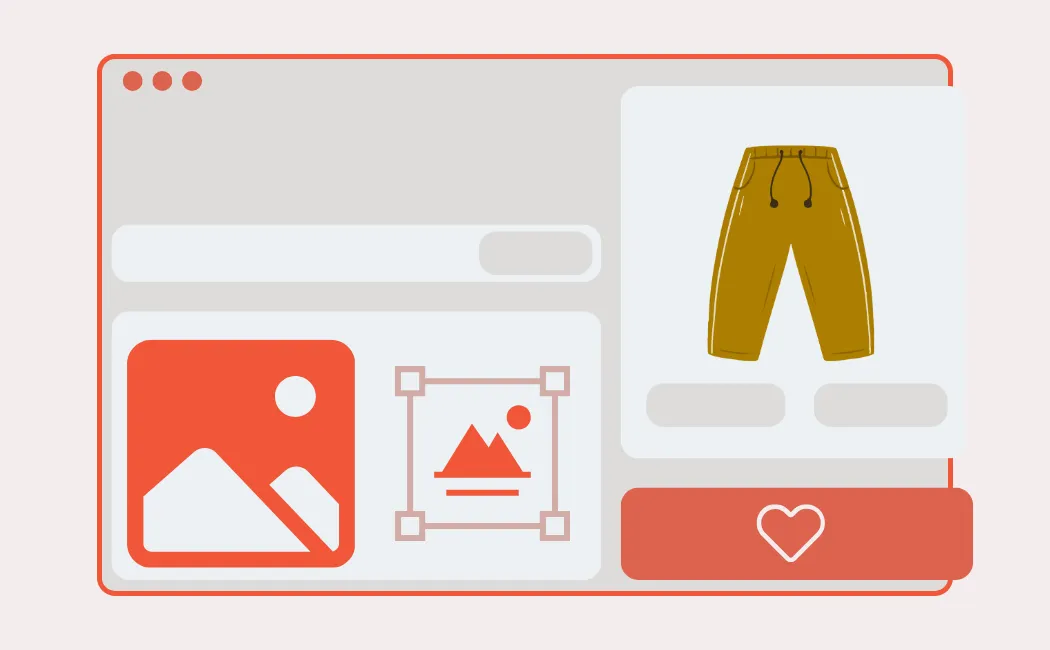
Example of a wishlist feature on an ecommerce website.
The first additional feature is the wishlist. A wishlist, or “favorites list,” is an increasingly important element on ecommerce websites. This feature allows customers to easily save their favorite products to purchase at a later time.
From the business owner’s perspective, wishlist data can be used to gain deeper insights into customer interests. This data can then be leveraged to send special offers or promotional campaigns to those customers. A well-managed wishlist feature increases the likelihood of future purchases.
2. Internal Site Search
The second feature that makes an ecommerce website more functional is internal search. This helps customers quickly find products within a large catalog.
An internal search system works by recognizing keywords and providing relevant product suggestions. Customers can use auto-suggestion to select products that appear as they type. This feature shortens search time and improves the user’s convenience while browsing the site. Business owners need to ensure their product data is well-structured for optimal search performance.
3. Product Reviews and Ratings
The review and rating feature provides a space for customers to share their shopping experiences. Customers can leave a star rating and comment on the products they have just purchased.
Other potential buyers use these reviews as a reference before making a purchase. For business owners, reviews serve as valuable insight for improving product and service quality.
4. Coupons and Discount Vouchers
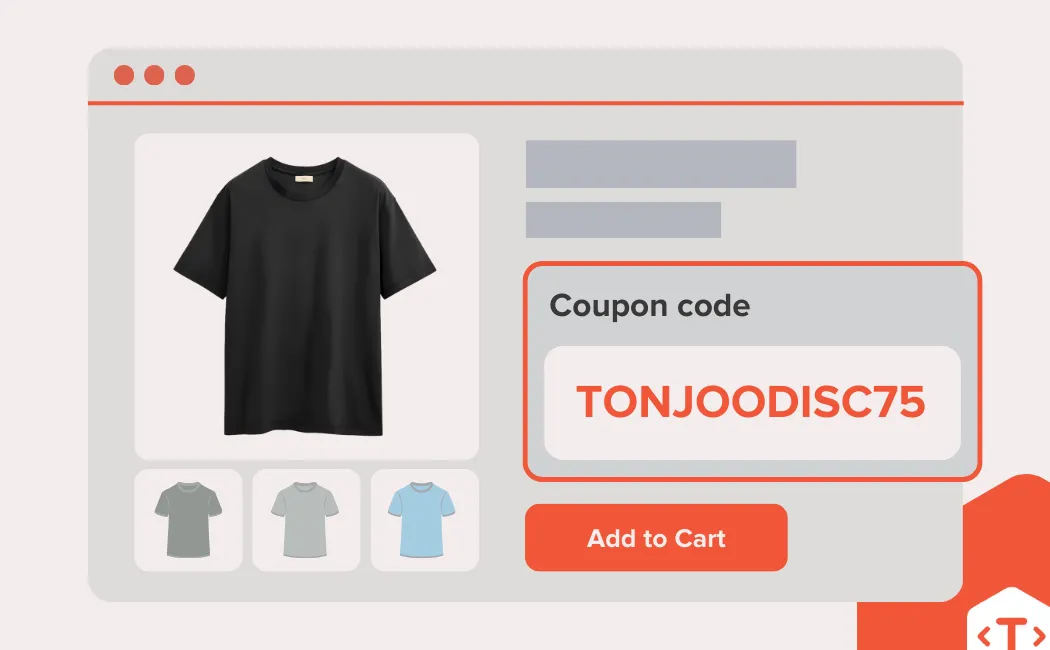
Example of a discount voucher feature on an ecommerce website.
One effective promotional strategy for an ecommerce website is offering coupons and discount vouchers. Store owners can create coupon codes with various criteria, such as expiration dates, minimum purchase amounts, or specific product categories. Customers are generally more inclined to shop when they receive a discount offer.
Coupons and vouchers can also be used to encourage repeat orders from existing customers. With proper management, discount vouchers can increase the average transaction value per customer. A discount system can also help enhance branding in the eyes of the customers.
5. Related Products, Upselling, and Cross-selling
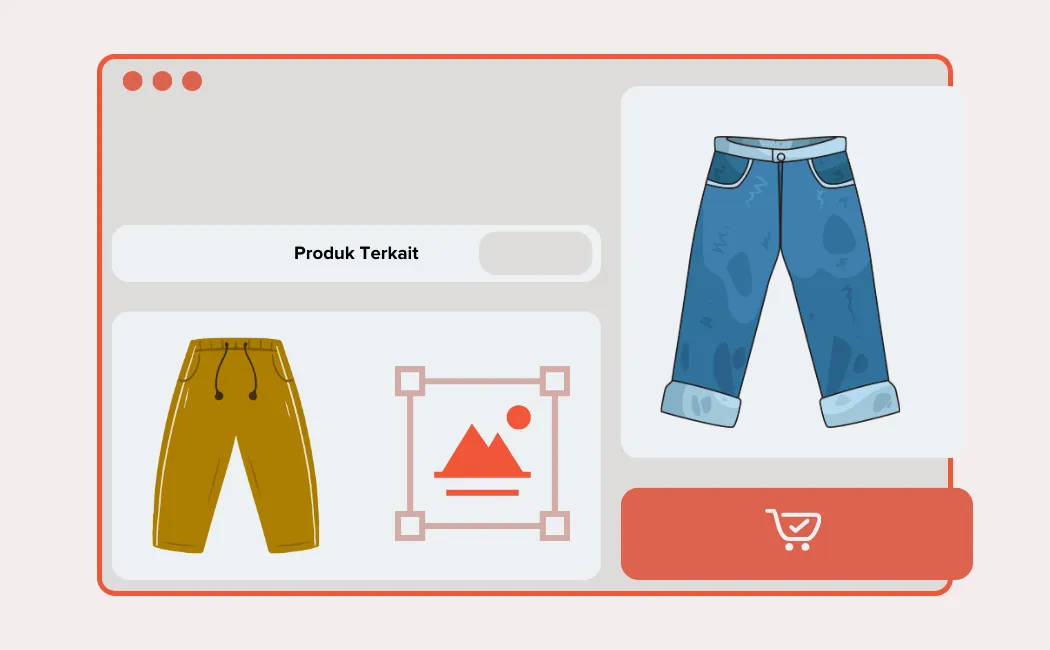
Related Products, Upselling, and Cross-selling feature.
Implementing related products and upselling/cross-selling mechanisms can increase the potential sales value in a single transaction. An ecommerce site can be configured to display related or complementary products on the product detail page. This feature encourages customers to add more items to their cart when they see relevant recommendations.
A well-implemented recommendation system enhances the shopping experience without feeling pushy. Strategically, this feature can significantly contribute to increasing the online store’s revenue.
6. Live Chat / WhatsApp Integration
Direct communication features like live chat or WhatsApp integration help customers get information faster. Visitors can ask questions before buying a product without leaving the website.
Live chat can streamline the work of customer service by enabling them to answer customer questions in real-time. From a shopping experience perspective, this feature provides a sense of security and convenience for customers. A good chat integration also helps business owners keep a neat record of customer communications. A responsive service increases conversion opportunities and boosts customer satisfaction.
7. Membership and Customer Loyalty Programs
A popular additional feature in modern ecommerce is a membership and customer loyalty program. This feature rewards frequent shoppers using a system of points and member tiers. Special rewards for members can encourage customers to make regular transactions.
Customers feel more valued when they receive extra benefits from their shopping activities. For businesses, membership data can be used to send relevant, personalized offers. This feature helps build a stronger relationship with customers.
8. Blog
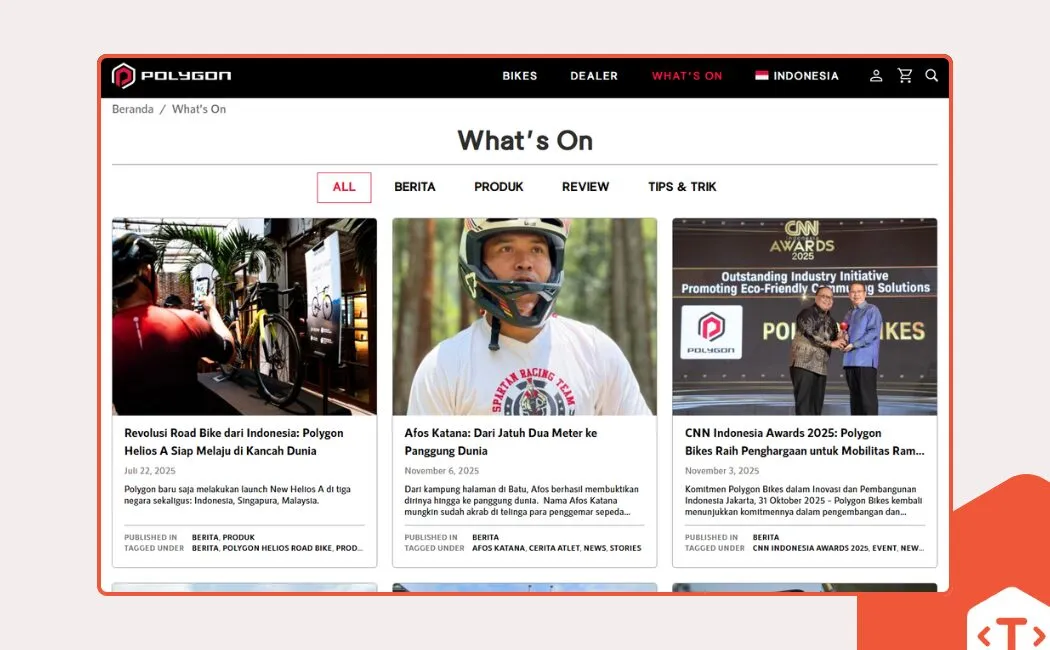
Example of a blog feature on an ecommerce website
Blog content and educational articles on an ecommerce site can provide added value for customers. Articles that offer tips, product usage guides, or other relevant information help customers make better-informed decisions.
High-quality content also increases the website’s visibility on search engines through SEO strategies. An ecommerce site can use its blog to strengthen its brand positioning as an expert in a particular field. Customers tend to trust brands that consistently share useful information.
9. Marketing Tool Integration
An ecommerce website should be integrated with marketing tools. Two key types of tools to integrate are email marketing platforms and analytics tools.
Email marketing can be used to send newsletters to customers. These newsletters can contain educational content or promotional materials. The customer data stored in the email marketing system can then be used for future marketing campaigns.
Meanwhile, to monitor website performance on Google, an ecommerce site can be integrated with Google Analytics. Reports from Google Analytics can be used to evaluate traffic performance and website conversions each month.
10. Multi-language and Multi-currency
The multi-language feature allows an ecommerce website to display content in more than one language. Potential customers can choose their preferred language, and all website elements—such as product descriptions, navigation menus, calls to action, and checkout information—will adjust accordingly. A multi-language feature can help a brand appear more professional and global.
Meanwhile, the multi-currency feature enables the website to display product prices in various currencies based on the user’s location or preference. The system can automatically convert prices based on real-time exchange rates from an API or manual rates set by the website owner. Multi-currency is highly beneficial for international transactions, especially when integrated with an international payment gateway, making cross-border payments even easier.
Bring Your Online Store to Life with Tonjoo
Those are the essential features for an ecommerce website. Building an ecommerce site requires careful planning and execution. Entrust the development and optimization of your ecommerce website to Tonjoo’s Online Store Development Services. We have experience serving hundreds of clients, including Aqua, Polygon Bikes, and many others.
You can choose a practical WooCommerce-based online store or a headless architecture combining WooCommerce and React JS, with flexible deployment options. Whether it’s on the cloud, a VPS, Docker, or even your own server, we are ready to make it happen.
Are you ready to get started? Contact us for a free consultation, a price quote, and a time estimate tailored to your needs.


Read similar articles by Moch. Nasikhun Amin on the Tonjoo blog about WordPress, WooCommerce, plugins, and other web development topics.
Updated on January 24, 2026 by Moch. Nasikhun Amin